
The African continent is navigating a complex economic landscape in 2026. As an investor in inclusive businesses across Africa, we are staying on top of the latest developments to support our portfolio companies as they maneuver through evolving market circumstances. The war in the Middle East has only added to the existing uncertainty and is sending even greater shockwaves through global markets, severely impacting the communities and sectors we aim to serve with our investments. However, despite ongoing tensions, we are also witnessing a silver lining that reveals some emerging opportunities throughout Africa and across our portfolio.
The economic impact of supply chain disruptions
According to recent reports from the IMF, the African Development Bank, and the UN, despite ongoing global tensions, Africa’s economic growth is still projected to reach 4.0% in 2026, up from 3.9% in 2025. The forecasts are slightly downgraded from earlier reports due to the Middle East conflict, which has pushed up fuel and fertilizer prices and disrupted specific supply chains. While the surge in global energy prices has created upside for African oil and gas exporters like Nigeria, Angola, and Libya, it has also significantly increased costs for fuel-importing nations. Food producers are directly impacted because fertilizer prices are tied to exploding oil prices. This is threatening food security and agricultural productivity, especially in emerging markets and in fragile underserved communities. The UN’s Food and Agriculture Organization reports that food commodity prices are up 2.4% since February, with vegetable oils, a key ingredient of many food products, seeing the steepest increase.
Disruptions in the Strait of Hormuz and rising shipping costs are straining African logistics networks, directly impacting companies in our portfolio that depend on imports and exports. Ships need to navigate longer, and more expensive routes and shipping capacity might be completely unavailable for perishable products. Countries are scrambling to secure alternative supply routes and stockpile essential goods. The negative effect of all these developments is felt most directly and painfully in the lowest income households that were already struggling to make ends meet.
Demonstrating resilience despite unpredictable markets
While facing these unpredictable headwinds, Africa is once again demonstrating resilience. Local investors are increasingly betting on the continent, with nearly 50% of venture capital in 2025 coming from African sources, as reported by The Big Deal. Many investment firms are sitting on dry powder following the slow 2022-2024 period. The positive impact of the African Continental Free Trade Area (AfCFTA) is slowly being felt in terms of fewer trade barriers, and larger clean energy projects are attracting record foreign direct investment. As Abebe Selassie of the IMF noted, “The war in the Middle East is a major new external shock, but Africa’s hard-won stabilisation gains provide a buffer.”
At Goodwell, we support early-stage, high-growth businesses that provide essential goods and services to underserved communities – the very communities that are often highly impacted by global economic crises. Many of ourportfolio companies across the continent, including MAX in Nigeria, EA Foods in Tanzania, Good Nature Agro in Zambia, and Onafriq (active across the continent) are not just weathering the storm; they are leveraging the current crisis to drive inclusive economic development.
New opportunities for driving inclusive development
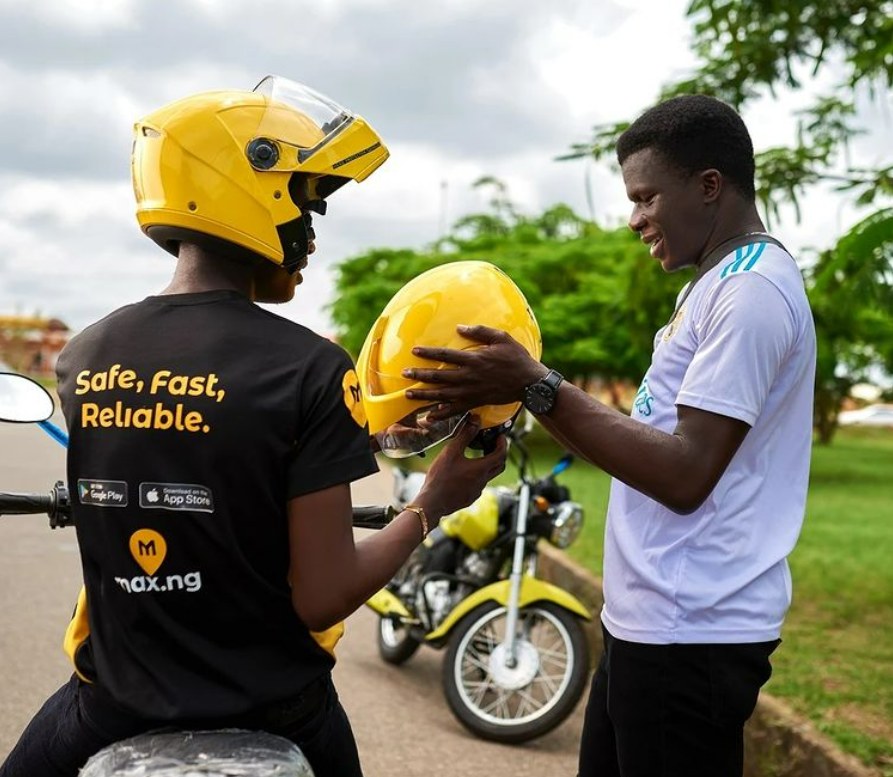
MAX has the potential to actually benefit from the current energy crisis and demonstrate true agility. The company is Nigeria’s leading mobility-tech platform, providing vehicle financing, electric mobility solutions, logistics, and mobile payments, with a mission to make mobility safe, affordable, and sustainable. Surging goal energy prices are also leading to higher fuel costs in Nigeria. For MAX, this has accelerated the adoption of electric vehicles (EVs). The company’s MAX M3 electric bike, launched in 2021, is now more attractive than ever to drivers and fleet operators looking to cut fuel costs. Chinedu Azodoh, MAX’s co-founder, recently announced plans to scale their partner network from 600 to 1,200 by the end of 2026, with a strong focus on electric mobility, fueled by the accelerated shift to cleaner power sources.
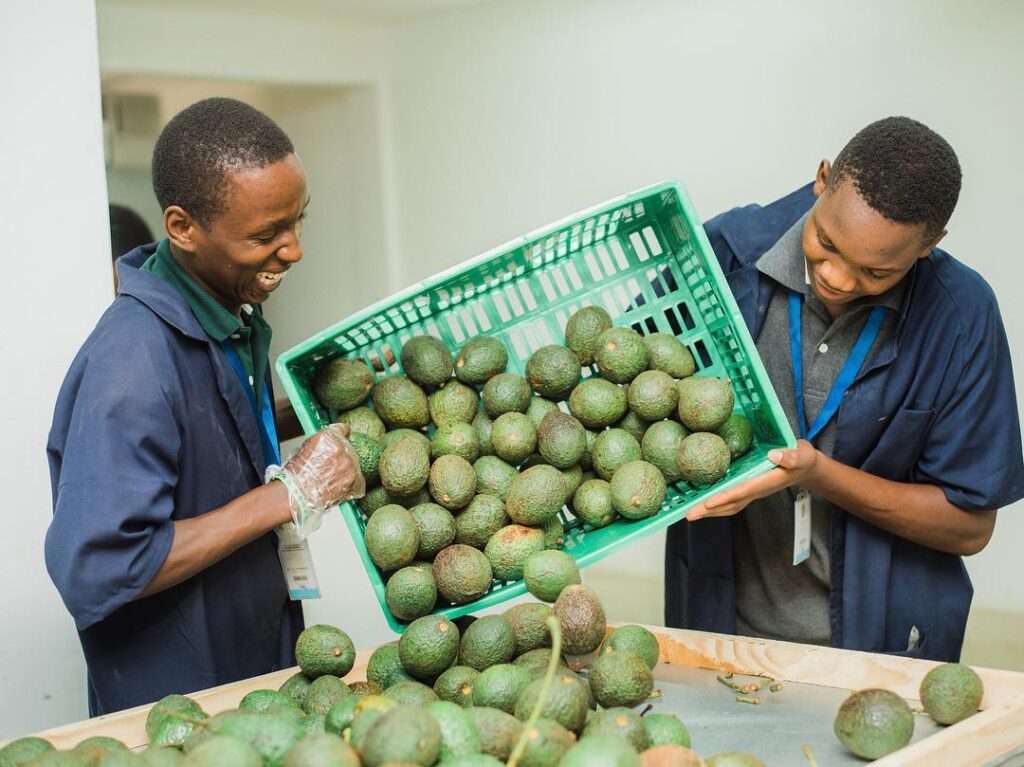
EA Foods is a tech-driven food distribution company operating in Tanzania and Kenya. As logistics forms the core of its business, the company is heavily dependent on fuel availability. EA Foods connects smallholder farmers directly to retailers, food service providers, and institutions, using data and logistics to modernise supply chains and reduce post-harvest losses. The current market uncertainties have disrupted global food and fertilizer supply chains, increasing the cost of imports and further highlighting the importance of local production. EA Foods’ business model – sourcing directly from farmers and processing produce locally – reduces reliance on imports and strengthens food security, presenting a major opportunity in these troubled times. At the same time, EA Foods is mitigating food waste and post-harvest losses to dampen the impact of soaring fertilizer prices and maximize yields. The company does this by leveraging digital platforms to provide farmers with market information, agronomic advice, and financial services. In a context where input costs are extremely volatile, these tools enable farmers to make informed decisions about what to plant, when to sell, and how to access credit.
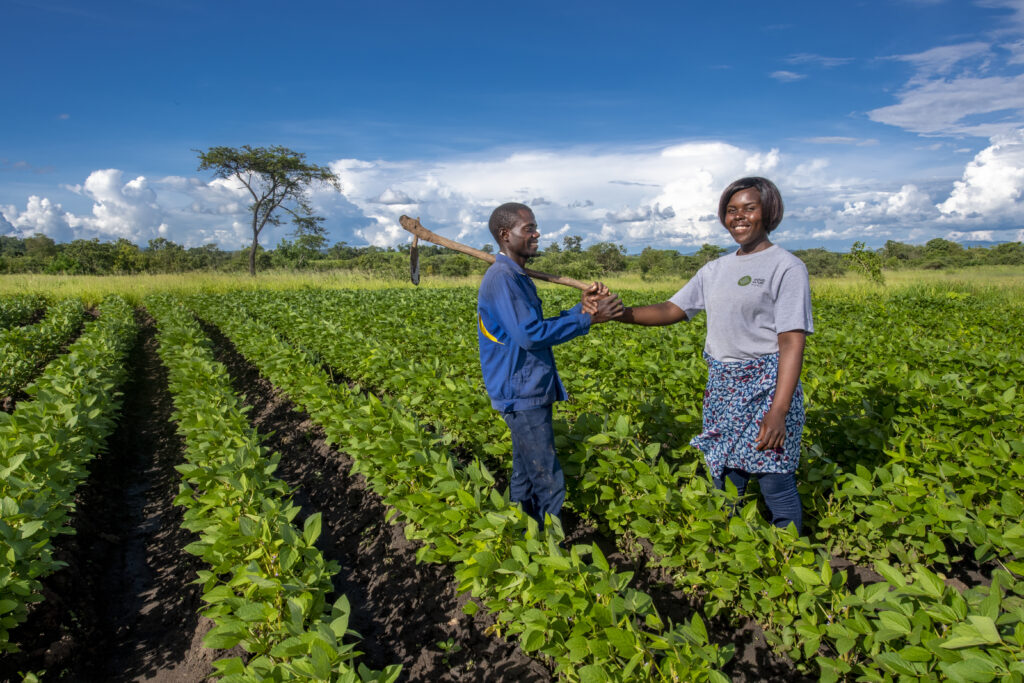
Our portfolio company Good Nature Agro (GNA) in Zambia works with smallholder farmers to produce high-value legumes for seed and export markets. The company provides farmers with access to certified seeds, training, input financing, and guaranteed markets, helping them transition from subsistence to commercial agriculture. GNA currently works with over 15,000 smallholders across Zambia, exporting to regional markets and increasingly to European markets. While smallholder farmers are directly impacted by the global surge in food and fertilizer prices, GNA is providing a product that meets the needs of the future, and is witnessing a growing demand for protein-rich, climate-resilient legumes. GNA’s crops improve soil fertility and require fewer synthetic inputs, positioning its farmers to meet both domestic and regional demand. GNA’s input financing model is core to the business andprovides a lifeline to its farmers now more than ever. The company supplies seeds and inoculants on credit, with repayment tied to harvest sales, de-risking farming for smallholders and ensuring that production continues even when input costs rise. While currently successful, this model obviously increases pressure on the company to maintain access to funding in an increasingly difficult fundraising climate.
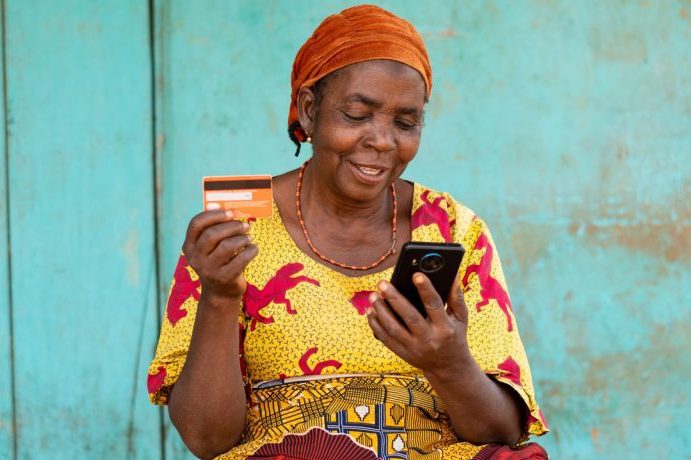
Onafriq is Africa’s largest digital payments network, connecting over 500 million mobile wallets, 200 million bank accounts, and 300,000 agents across 40 countries. Onafriq acts as a bridge between African businesses and international markets. As CEO Dare Okoudjou noted, the company’s vision is to create “one interconnected economy” across the continent and beyond. The company enables cross-border transactions, card issuing, agent banking, and treasury services, making it a critical infrastructure provider for Africa’s digital economy. The Middle East conflict has disrupted traditional trade and remittance corridors, increasing demand for digital alternatives. Onafriq’splatform enables seamless cross-border transactions, helping businesses and individuals bypass costly and slow traditional channels.
Adaptability is the key to unlocking Africa’s potential
Africa’s economic landscape in 2026 is a picture of contrasts: global shocks from the Middle East conflict have driven up energy and fertilizer prices, disrupted supply chains, and tightened financial conditions. Yet the continent’s resilience is evident in the adaptability of its businesses, the rise of local investment, the push the build local industries to substitute for imports, and the innovative strategies of companies like those in Goodwell Investments’ portfolio.
Our approach goes beyond capital, especially in demanding economic times. The added value of having strong investment teams in the regions is crucial during these challenging markets dynamics. We learned that during the COVID period, and the benefits are evident yet again in 2026. For investors like us, for policymakers, and for long-term supporters of inclusive economy, we continue to present a clear message and lesson: supporting businesses managed by local talent that combine local insights with scalable, tech-driven solutions is the key to decreasing dependency on global suppliers and unlocking Africa’s potential.

